
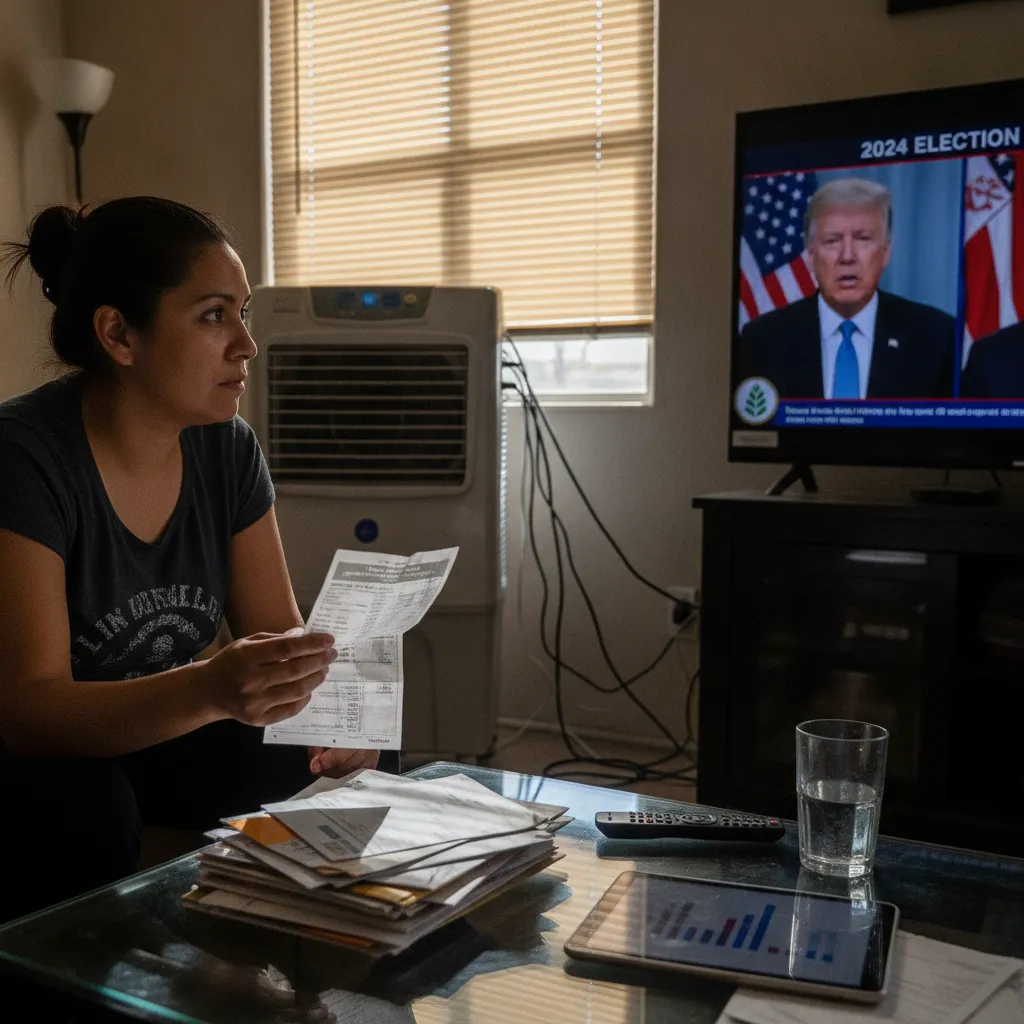
For many residents in states like Arizona, air conditioning is not a luxury but a necessity for survival during record breaking heatwaves. For Diali Avila, the state director for Climate Power, this reality became painfully clear when her monthly power bill spiked to four hundred dollars this summer. She believes she is not alone in her frustration and suggests that voters are increasingly linking these financial burdens to the candidates appearing on their ballots. According to various clean energy and consumer advocates, the struggle to afford basic electricity could become a decisive factor as Democrats fight to regain control of Congress.
While energy costs have long influenced American politics, the focus has traditionally remained on the volatility of gas prices at the pump. Now, experts suggest we are entering a new era defined by the politics of electricity. National average prices have climbed roughly ten percent over the last two years, leaving a vast majority of Americans deeply concerned about their utility expenses. This shift is driven by a perfect storm of aging infrastructure, climate disasters like wildfires and hurricanes, global instability following the invasion of Ukraine, and an explosion in demand from massive data centers.
This intersection of technology and affordability is playing out vividly in key battleground states. In Ohio, Democratic Senate candidate Sherrod Brown has aggressively targeted his opponent by labeling him the face of data centers, attempting to link corporate tax breaks to a thirty four percent surge in local electricity rates since 2022. With a significant portion of Ohio residents opposing further data center construction due to fears over water and power costs, strategists admit that this specific issue may be acting as an anchor for Republican candidates in otherwise friendly rural areas.
Similar strategies are emerging in Michigan, where Democratic candidate Abdul El Sayed is positioning himself as an adversary of DTE Energy, one of the state’s largest and most unpopular private utilities. By highlighting his opponent’s ties to the company amid frequent outages and rate hikes, El Sayed is tapping into a growing movement toward public power alternatives. As voters weigh their options this November, it appears that the simple act of opening a monthly utility bill may provide more political motivation than traditional party platforms ever could.